
Product Discovery for Pharmacy Fulfilment & Last-Mile Delivery
CityRx operates a network of pharmacies across New York City. We mapped and defined a fully integrated patient ordering and courier delivery platform, producing comprehensive flow diagrams and integration blueprints before any code was written.
Company
Domain
Engagement
Services
Workflow Mapping
Systems Integration Design
The Situation
CityRx operates a network of pharmacies across New York City, serving thousands of patients who rely on timely prescription fulfilment. As patient expectations shifted toward digital-first, on-demand services, CityRx identified a critical gap: patients had no way to place medication orders remotely, and staff had no digital tooling to coordinate last-mile delivery. Leadership came with a clear ambition but an uncertain path — build a connected system that bridges patients, pharmacy staff, and delivery couriers, without disrupting existing back-office operations.
The Challenge
The product vision called for three deeply integrated components:
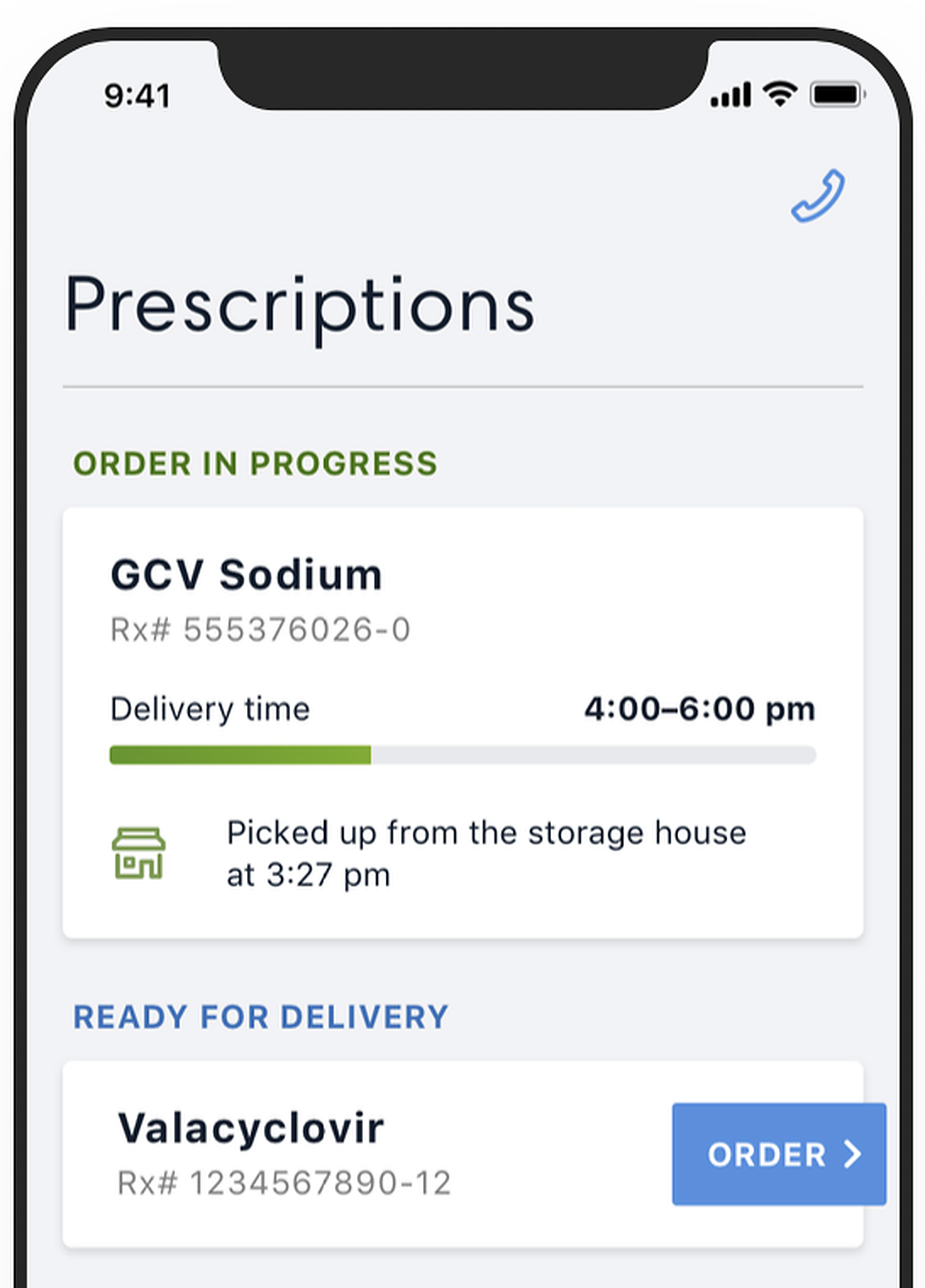
- A patient-facing mobile app to place and track medication orders
- A courier application to manage delivery assignments and fulfilment
- An orchestration backend integrated with the pharmacy back-office, responsible for managing orders, coordinating couriers, and providing operational visibility to pharmacy staff
Discovery Approach
We then facilitated structured sessions with the pharmacy's technical team to inventory existing back-office capabilities, data schemas, and integration readiness. We identified which data could be consumed in real time, which required batch synchronisation, and where new capabilities would need to be built.
Working from this foundation, we produced comprehensive operational flows for each system, defining every role, action, state transition, and exception path. These were grounded in what we observed and validated with stakeholders at each step.
Discovery Deliverables
- Operational flow diagrams covering all primary and exception paths end to end
- Role definitions specifying who can perform which actions at each stage of the order lifecycle
- Status transition models describing how orders move through the system and what triggers each change
- Wireframes illustrating key user journeys across all three surfaces
- An integration blueprint mapping the connection points between the new platform and the existing pharmacy back-office
Outcomes
Rather than discovering this mid-build at significant cost, the discovery work surfaced these constraints early. The courier application and its associated backend capabilities were fully documented but roadmapped to a future phase. This was a deliberate, informed decision — not a scope failure.
The discovery artefacts for the courier module remain intact, meaning CityRx can resume that workstream at any point without repeating discovery work.
Business Impact
By fully defining the product before building any of it, CityRx gained the ability to model total delivery cost against projected revenue early — before committing engineering resources. This gave leadership the information needed to assess whether sufficient resources were in place to deliver the product, and to make a sound capital allocation decision in advance.
Understanding what you are building — in full — before you start building it, is the single most impactful investment a product organisation can make.
Your product is waiting to ship.
Whether you're defining an MVP, scaling a platform, or building the integration layer that turns your tool into infrastructure — this is the work. Let's talk about where to start.
Start the conversation →